




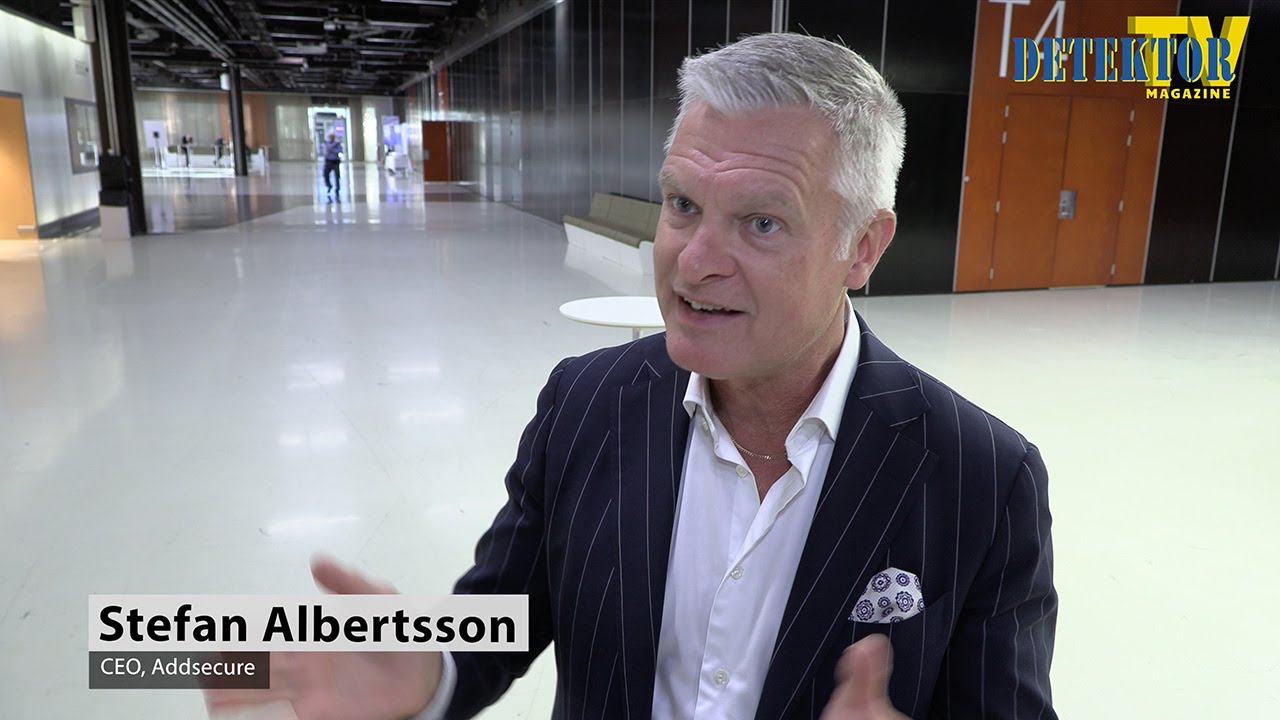
With less than a year until Martyn’s Law comes fully into effect in the UK, Addsecure, a leading European provider of secure IoT connectivity and end-to-end solutions, is urging organisations responsible for publicly accessible buildings to start preparing now or risk serious legal consequences.
Expected to be enforced from April 2027, the legislation will affect a wide range of venues and public-facing premises, many of which still do not have compliant procedures in place.
To help organisations prepare, Addsecure has published a whitepaper explaining how Martyn’s Law will apply in practice, what procedures are required for compliance, and how organisations can better protect people during an attack.
Marking the ninth anniversary of the Manchester Arena bombing, Martyn’s Law requires venues hosting over 200 people to have a protocol in place for responding to a terrorist incident. Split into two tiers, sites that hold between 200 and 799 people must comply with the Standard Tier, which focuses on creating procedures, staff training and regular audits. Those hosting over 800 people must fulfil the Enhanced Tier’s criteria, which extends requirements to include frequent risk assessments and physical security systems, such as CCTV or bag search policies.
Chris Wimshurst, Director of Sales at Addsecure UK, said: “There’s a misconception that Martyn’s Law will only affect large venues such as sport stadiums or entertainment arenas, but the two-tier system means that a wide range of organisations will need to be compliant or risk legal, financial and reputational consequences.
“Martyn’s Law is a vital step towards making public spaces safer. However, currently there’s little guidance available on how organisations can implement it effectively. Our whitepaper is designed to help organisations understand the requirements and put the right procedures in place to keep people safe.”
The legislation brings the need for greater emphasis on communication during an incident. Relying solely on fire alarms will no longer be sufficient, as evacuation may not always be the safest response. Now organisations will need to have both evacuation and lockdown procedures, supported by reliable real-time communication systems for emergency services and staff to respond as situations evolve.
Wimshurst concludes: “Our systems are designed for organisations responsible for the safety of people in public spaces. Addsecure delivers a proven solution that aligns with Martyn’s Law and is already widely used across Europe. With 99.99% uptime last year, organisations can trust it to perform when it matters most. “We look forward to helping more organisations prepare ahead of the 2027 deadline, sharing our expertise to help keep buildings and people safe.”









 Global